Film analysis
A gangster film can make power look irresistible. Its harder task is to make that power mean something. That is the question at the centre of this discussion of Toxic: A Fairy Tale for Grown-Ups, the Yash project directed by Geetu Mohandas.
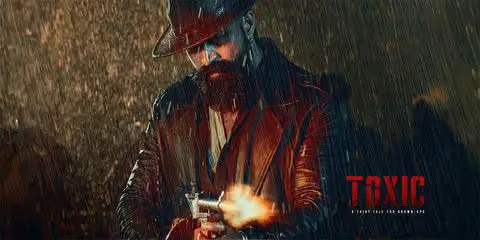
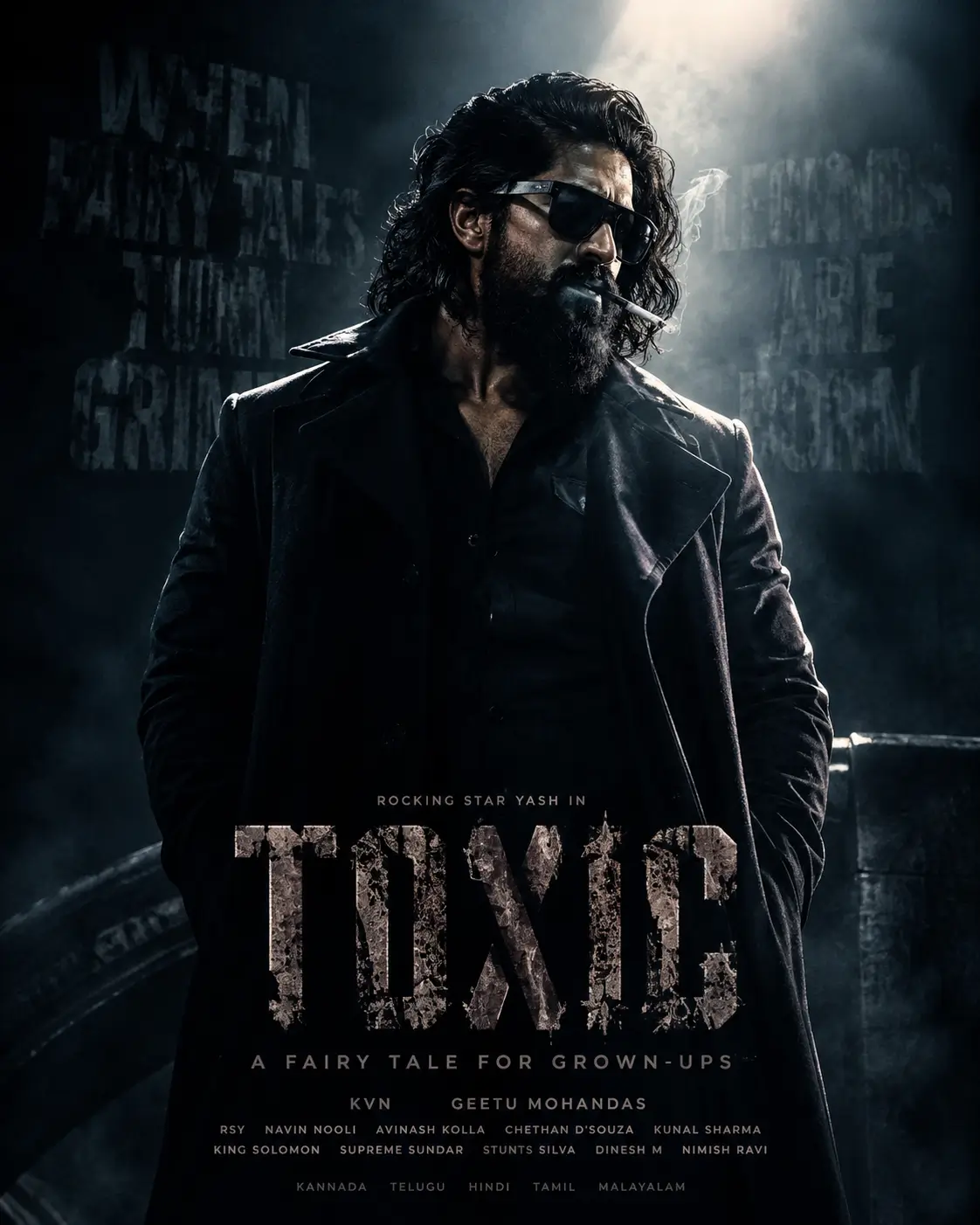
KVN Productions identifies the project as a gangster drama in its production update. Its official video collection includes a title announcement and a character introduction for Raya. Those materials establish the starting point for the analysis below: the appeal of a star-led gangster story, the promise of the title, and the storytelling questions that follow. This is an editorial discussion of that framing, rather than a review of a screening.
What the title promises
The full title contains a useful tension. “Toxic” suggests something damaging; “A Fairy Tale for Grown-Ups” invites an association with myth, temptation and heightened reality. Reading those words together suggests a story interested in the attraction of dangerous things. That is an interpretation of the title, not a claim about its ending or an explanation supplied by the filmmakers.
A fairy tale can simplify the world into a wish and its price. A gangster story can complicate that wish: success may bring wealth or influence while making ordinary trust impossible. Put those ideas together and a compelling question emerges. What happens when a character gets the power he wanted, but loses the relationships that made it worth wanting?
That question gives the genre room to do more than enlarge its action sequences. An extravagant setting can become a trap. A symbol of status can also reveal insecurity. The visual scale matters most when it helps express a human contradiction.
Power needs a character behind it
Star presence can establish importance before a character says a word. A pause, an entrance or the reactions of other people can tell us who controls a room. But authority becomes dramatically interesting when the audience understands what could unsettle it.
For a gangster protagonist, that vulnerability might be loyalty, fear of humiliation, a family obligation or an ambition that cannot be satisfied. These are possibilities within the genre, not plot details being attributed to Toxic. Each would create a different kind of tension beneath an apparently confident surface.
A useful distinction is between a powerful character and a character whose power the story examines. The first can dominate every scene. The second encounters choices that expose limits. If every confrontation ends with effortless victory, the outcome soon becomes predictable, however elaborate the staging.
When violence becomes a story
Action can change a narrative in several ways: it can destroy an alliance, create a debt, reveal a betrayal or close off a peaceful solution. Those consequences give a sequence a place in the story beyond its immediate visual impact.
Imagine two otherwise similar scenes. In one, a protagonist defeats an opponent and moves on. In the other, the same victory frightens someone whose trust he needs. The physical outcome is identical, but the second scene changes the character’s future. It makes the next conversation matter.
This is also where a film’s treatment of an anti-hero becomes interesting. Inviting the audience to understand a dangerous character does not require treating every action as admirable. The people around him need enough agency for their fear, resistance and competing desires to register.
Four questions for viewers
These questions offer a way to assess the storytelling in a gangster film without reducing the discussion to scale or star power:
- What does the protagonist want beyond winning? A specific desire gives action an emotional direction.
- Which choice changes a relationship? Consequences should remain visible after a dramatic scene ends.
- Can other characters alter events? A convincing world contains people with motives beyond reacting to its lead.
- Does the ending resolve a conflict the story developed? A surprise carries more weight when earlier choices make it meaningful.
What makes spectacle last
The most productive conversation around Toxic is about how its dramatic ideas work. Promotional material can introduce a character and establish an atmosphere; judging a complete performance or narrative requires examining the film itself. This article makes no claim about a screening, audience consensus or commercial result.
The enduring challenge of the gangster genre is to connect power with a price. Spectacle can attract attention, but a character’s choices give viewers something to debate after the image fades. For a different approach to heroism, read our discussion of discipline, power and the sports-drama hero.