Cinema essay
The wrestling arena and the gangster’s world offer two different ways to think about power. In one, strength is tested through a contest with shared rules. In the other, the ability to impose rules can itself become the prize. That contrast is a useful starting point for thinking about Dangal and the genre expectations surrounding Toxic: A Fairy Tale for Grown-Ups.
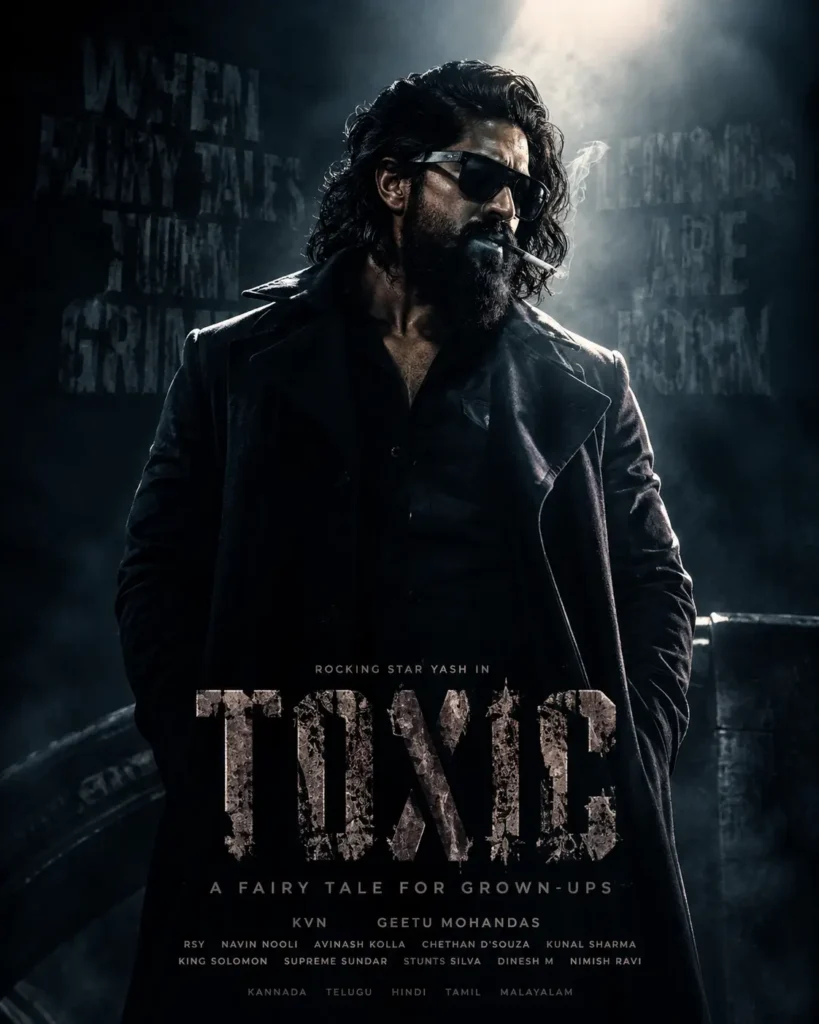
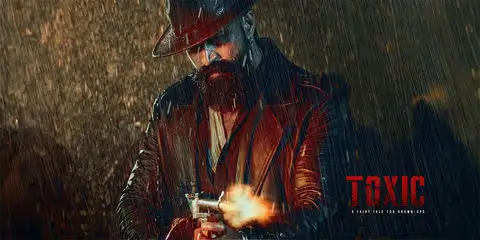
Dangal‘s official trailer and synopsis introduce Mahavir Singh Phogat and his daughters Geeta and Babita, grounding the film in a family and wrestling. KVN Productions describes the Yash and Geetu Mohandas project Toxic as a gangster drama in its production coverage. Its official video collection includes the title announcement and Raya’s character introduction.
This essay compares the emotional possibilities of those two kinds of story. Its discussion of Toxic concerns genre and official promotional framing; it does not offer a scene-by-scene review or claim that two films establish a change in the preferences of all Indian audiences.
Discipline and earned recognition
The appeal of a sports drama begins with progress the audience can understand. Training builds a skill; a contest tests it. A movement that once seemed impossible can later become the difference between defeat and victory. Repetition gives an eventual achievement a history.
The family-and-wrestling premise of Dangal also puts questions of authority close to that progress. A parent may open opportunities while deciding how those opportunities should be pursued. This makes discipline more complicated than a simple celebration of hard work: who chooses the goal, and when does the athlete make it her own?
That is the most useful part of reading the film through the idea of earned recognition. The emotional reward involves being taken seriously as someone capable of acting. A medal is a visible outcome; the deeper issue is whether a person’s ability and decisions are allowed to count.
A sports arena makes this conflict unusually clear. The rules offer a shared standard, but access to training, encouragement and opportunity can remain unequal. The dramatic tension lies in the distance between the fairness a contest promises and the obstacles encountered before reaching it.
Power outside the rules
A gangster story can place the audience in a world where recognition follows a different logic. Influence may depend on fear, bargaining, allegiance or the threat of force. The central question becomes what someone will do to acquire power and what possession of it will cost.
This is a genre lens through which to discuss Toxic‘s positioning, rather than a description of unverified plot events. The title’s combination of damage and fairy-tale imagery invites questions about seduction: why might a dangerous promise look attractive in the first place?
Such stories can draw viewers into a character’s ambitions without making those ambitions a moral instruction. Understanding an anti-hero’s hunger is different from agreeing with every choice. The distinction becomes convincing when the story gives the consequences enough attention.
A character who can command everyone may still be unable to secure affection or trust. That contradiction gives a power fantasy a possible limit. It also explains why a quiet refusal can sometimes carry more dramatic weight than a large confrontation.
The strongest connection between these two models is the question of who gets to act. A mentor’s authority can be judged by whether it helps another person become capable of making decisions. A domineering figure can be judged by what happens when another person refuses to obey.
This avoids a simplistic division between a good father and a bad gangster. A mentor can overreach; an anti-hero can be emotionally understandable. What matters is how the narrative handles those tensions, and whether other characters have independent goals.
For the viewer, one practical test is to track a supporting character’s choices. What does that person want? Can they change the direction of events? Does the protagonist have to respond to them? A film gives its central figure more depth when the surrounding world has the power to resist.
Two dramatic models
The table below compares storytelling possibilities. It is an interpretive framework, not a set of factual findings about Toxic‘s completed narrative or its audience.
| Question | Sports-drama model | Gangster-drama model |
|---|---|---|
| What is pursued? | Skill, opportunity and recognition | Influence, security or control |
| How is strength tested? | Through a contest and its rules | Through conflict, loyalty and resistance |
| What can authority cost? | The athlete’s freedom to choose | Trust, intimacy or freedom from fear |
| What makes an outcome satisfying? | Achievement connected to growth | A reckoning connected to choices |
Why both kinds of hero can matter
It is tempting to turn a contrast in genre into a story of one kind of cinema replacing another. That conclusion would need evidence about audiences and the wider market. A comparison of two projects cannot provide it.
The same viewer can respond to the reassurance of earned progress and the tension of a morally uncertain world. These stories offer different experiences, and neither has to disappear for the other to work.
The more revealing comparison asks what each story does with its central promise. Does discipline lead to agency? Does power carry consequences? Are the people around the hero allowed to become more than witnesses? Those questions keep the discussion close to storytelling, where it can be tested, instead of assigning an entire audience a single set of values.
For more on the second of those questions, read our analysis of power and character in the gangster-film framing of Toxic.