AI Revolution 2026: How Artificial Intelligence 2026 Is Changing Jobs, Education, and Daily Life Worldwide
Artificial Intelligence is no longer just a futuristic concept from science fiction movies. In 2026, AI has become one of the most powerful technologies shaping the modern world. From smartphones and smart homes to education, healthcare, business, and entertainment, Artificial Intelligence is transforming the way people live and work.
AI raises practical questions about work, privacy and reliability. This overview does not establish investment totals or report an expert consensus.
What Is Artificial Intelligence?
Artificial Intelligence, commonly known as AI, is a technology that allows machines and computer systems to perform tasks that normally require human intelligence. These tasks include learning, problem-solving, decision-making, language understanding, and image recognition.
Popular AI tools such as ChatGPT, Google Gemini, Microsoft Copilot, and AI-powered search engines are becoming part of everyday life. Many students, professionals, and businesses now depend on AI tools to save time and improve productivity.
AI in Daily Life
Most people already use AI without even realizing it. Smartphones use AI for voice assistants, face unlock features, camera improvements, and personalized recommendations. Social media platforms use AI algorithms to show users content based on their interests.
Online shopping websites also use AI to recommend products based on browsing history. Streaming platforms like Netflix and YouTube use AI to suggest movies and videos that users are more likely to watch.
Smart home devices such as AI-powered speakers, smart lights, and security systems are becoming increasingly popular. These technologies make homes safer, more efficient, and easier to manage.
AI Is Transforming Education
The education sector is experiencing major changes because of AI technology. Students can now learn faster with personalized AI tutors, instant doubt-solving tools, and smart educational platforms.
AI-powered learning apps help students understand difficult subjects through interactive explanations and real-time feedback. Teachers are also using AI tools to prepare study materials, create quizzes, and automate grading systems.
In countries like India, AI education is becoming an important skill for future careers. Many schools and colleges are introducing Artificial Intelligence courses to prepare students for future job markets.
How AI Is Changing Jobs
One of the biggest discussions around Artificial Intelligence is its impact on employment. AI can automate repetitive tasks, which increases efficiency and reduces costs for businesses.
Industries such as customer service, data entry, manufacturing, and transportation are already using automation technologies. While some traditional jobs may disappear, AI is also creating new career opportunities.
Check current job descriptions for AI, data and cybersecurity roles. Learning a tool does not establish eligibility or guarantee a career advantage.
AI in Healthcare
Healthcare claims must be checked for the exact device and intended use. The FDA device list concerns US-authorised uses, not every AI product.
Check the specific hospital service and device documentation before relying on an AI claim. Administrative chatbots should not be treated as a source of diagnosis or personalised medical advice.
WHO’s January 2024 guidance identifies research and drug development as possible applications of generative AI, while warning about inaccurate or biased outputs. Potential uses are not evidence that every AI system improves treatment outcomes.
Benefits of Artificial Intelligence 2026
Artificial Intelligence offers many advantages in different fields:
- Faster problem-solving
- Improved productivity
- Better healthcare services
- Personalized education
- Smart automation
- Improved cybersecurity
- Better customer experience
- Advanced scientific research
Businesses are using AI to increase profits and improve customer satisfaction. Governments are also exploring AI solutions for smart cities, traffic management, and public services.
Risks and Challenges of AI
Before using AI, consider the data you share, how you will verify output and who is responsible for mistakes.
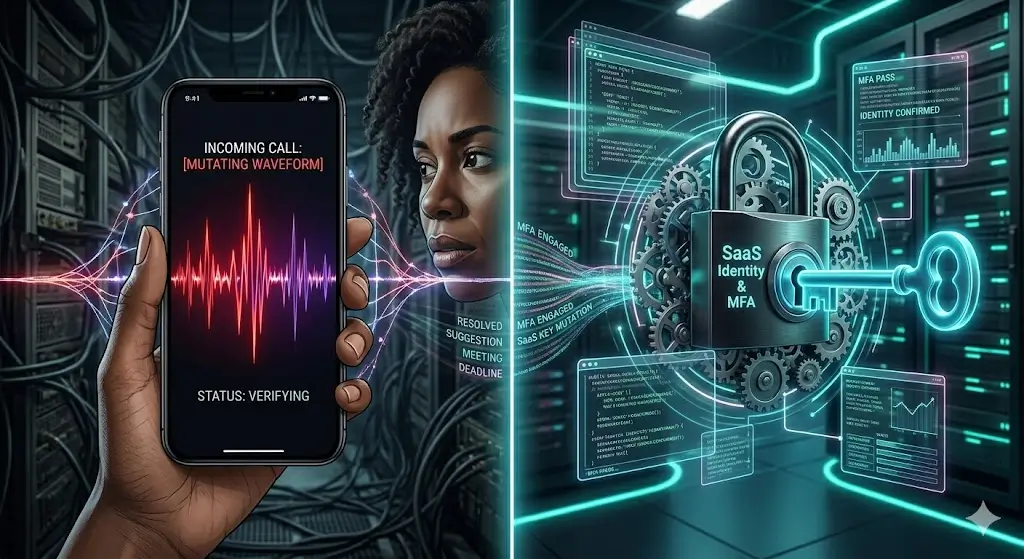
Deepfake technology and AI-generated fake news are becoming serious challenges. Some people are also concerned that over-dependence on AI may reduce human creativity and critical thinking.
For a concrete example of misuse and safeguards, see our guide to AI voice phishing.
Future of AI in 2030 and Beyond
Future uses remain uncertain. Assess an available system by its documented functions and limitations.
For a bounded implementation example, see the small-business enquiry-drafting pilot, with draft approval and failure checks.
AI-powered virtual assistants could become more human-like and capable of understanding emotions and natural conversations. Smart cities using AI for traffic control, energy management, and public safety may become common.
Countries investing heavily in AI technology are expected to become global leaders in innovation and economic growth.
Final Thoughts
Artificial Intelligence is one of the most important technologies of the modern era. It is changing education, healthcare, business, and daily life at an incredible speed.
While AI creates challenges related to privacy and employment, it also opens the door to innovation, smarter systems, and better opportunities. Learning about AI and adapting to new technologies will become essential for future success.
The AI revolution has already begun, and its impact will continue to grow in the coming years. Whether in education, business, or personal life, Artificial Intelligence is shaping the future of the world.