🌿 Health and Wellness Tips for a Better Life (Complete Guide)
🧠 Introduction
In today’s fast-paced world, maintaining good health is more important than ever. Busy schedules, stress, and unhealthy habits often take a toll on both physical and mental well-being. Many people focus only on work or studies while ignoring their health, which can lead to long-term problems.
Health and wellness are not just about avoiding illness—they are about living a balanced and fulfilling life. By adopting simple daily habits, you can improve your overall well-being and lead a happier life.
This guide on health and wellness tips will help you build a healthy lifestyle with practical and effective strategies.
🌟 What is Health and Wellness?
Health refers to the physical condition of your body, while wellness includes your overall well-being, including mental, emotional, and social aspects.
Physical health, mental well-being and social circumstances can affect each other. A routine can help organize daily habits, but it cannot prevent every illness or replace care.
💪 Importance of Health and Wellness
The benefits depend on the particular habit, your health and your circumstances. Treat the following as possible goals, not promised outcomes.
- Improves energy levels
- Reduces the risk of diseases
- Enhances mental clarity
- Boosts productivity
- Improves overall quality of life
Good health allows you to perform daily activities efficiently and enjoy life to the fullest.
🛠️ Essential Health and Wellness Tips
✅ 1. Maintain a Balanced Diet
A varied diet can include vegetables, fruit, whole grains, pulses and suitable protein foods. WHO healthy-diet guidance explains dietary patterns that help reduce the risk of some noncommunicable diseases. Individual needs differ.
Avoid excessive junk food and sugary drinks, as they can harm your health over time.
✅ 2. Stay Physically Active
For adults, WHO recommends 150–300 minutes of moderate aerobic activity weekly, or an equivalent. Start gradually at a suitable level; this is guidance, not a guarantee of disease prevention.
CDC physical-activity guidance describes potential benefits for sleep, anxiety and cardiovascular health. Build activity gradually and adapt it to your ability; a short daily session is not a guaranteed treatment.
✅ 3. Get Enough Sleep
NHLBI guidance on sleep deficiency explains how insufficient sleep can interfere with learning, focus and reaction time. Persistent fatigue or sleep problems deserve assessment rather than an assumption that a routine will fix them.
Sleep needs vary with age. CDC recommends at least seven hours for adults aged 18–60. Persistent sleep difficulties deserve individual advice.
✅ 4. Stay Hydrated
Keep water available and plan drinking breaks. This guide does not prescribe a universal fluid target or promise improved skin or energy.
✅ 5. Manage Stress Effectively
You may try a manageable relaxation exercise. NCCIH describes possible mindfulness benefits and evidence limitations; an exercise is not a guaranteed treatment.
✅ 6. Build a Healthy Daily Routine
Having a structured routine helps maintain consistency in healthy habits. You can use tools like Google Calendar to plan your day.
✅ 7. Limit Screen Time
Long periods of screen work can tire the eyes. Adjust the screen for comfort and take breaks; there is no single screen-time limit that establishes physical or mental health for every adult.
The National Eye Institute suggests the 20–20–20 break: every 20 minutes, look about 20 feet away for 20 seconds. This is an eye-comfort practice, not proof that screen breaks protect mental health.
✅ 8. Practice Mental Wellness
Mental health is as important as physical health. Engage in activities that make you happy, such as hobbies, reading, or spending time with loved ones.
✅ 9. Avoid Harmful Habits
CDC guidance on quitting smoking describes reductions in risks including cardiovascular disease and several cancers. If you smoke, ask a qualified clinician about cessation support.
Choose a specific change you can sustain. Different habits have different effects; a general wellness routine does not establish a treatment outcome.
✅ 10. Regular Health Check-ups
Ask your clinician which preventive care is appropriate for your age, history and circumstances. A routine check-up cannot guarantee that a serious condition will be prevented.
⚠️ Common Mistakes to Avoid
Many people fail to maintain good health due to:
- Skipping meals
- Lack of exercise
- Poor sleep habits
- Overuse of digital devices
- Ignoring mental health
Avoiding these mistakes can significantly improve your lifestyle.
🌍 Benefits of a Healthy Lifestyle
Use the following as wellbeing goals, not promised outcomes for every reader:
- Better physical fitness
- A sustainable routine for meals, movement and rest
- Improved mental health
- Increased productivity
- Longer and healthier life
Review whether a change is manageable and useful for you. It does not promise happiness, career success or freedom from illness.
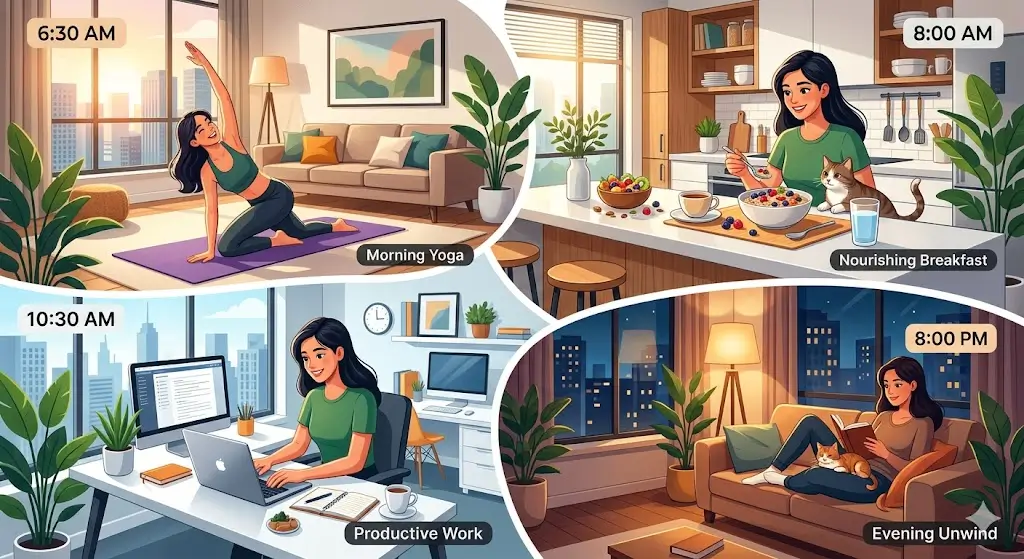
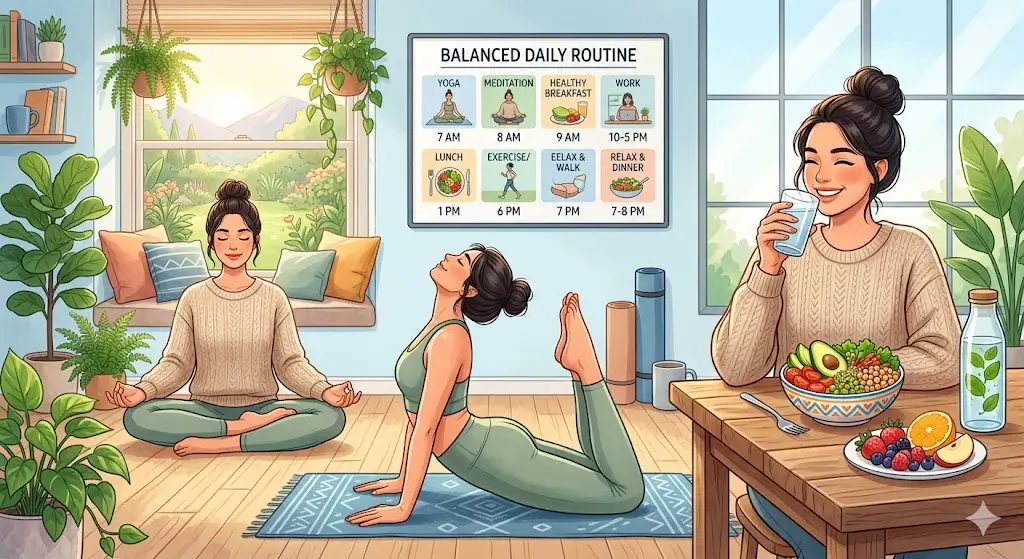
📈 Sample Healthy Daily Routine
Here’s a simple routine you can follow:
- Morning: Wake up early, hydrate, exercise, healthy breakfast
- Afternoon: Work/study, balanced meals, short breaks
- Evening: Relaxation, hobbies, light activity
- Night: Reduce screen time, plan next day, sleep on time
Consistency is key to maintaining this routine.
🧩 Tips to Build Healthy Habits
- Start with small changes
- Stay consistent
- Track your progress
- Stay motivated
- Avoid drastic changes
Healthy habits take time to develop but lead to long-term benefits.
🏁 Conclusion
Adopting health and wellness tips is essential for living a balanced and fulfilling life. By focusing on both physical and mental health, you can improve your overall well-being and achieve your goals more effectively.
Start today with small steps, stay consistent, and gradually build a lifestyle that supports your health and happiness.
For the food choices discussed here, read nutrition and immunity without booster claims; it distinguishes ordinary nutrition from booster promises.