Countries on the brink of civil war
Global tensions are reaching a breaking point in 2024, with several countries civil war 2024 scenarios becoming increasingly likely. This analysis is for policy watchers, international relations students, and anyone who wants to understand which nations face civil war today.
Political instability worldwide has created perfect storms of economic collapse, ethnic tensions, and government failures. We’re seeing modern civil war warning signs that experts recognize from previous conflicts – mass protests, military defections, and complete breakdowns in public services.
You’ll discover the specific internal conflict countries showing the clearest state collapse indicators right now. We’ll examine Middle Eastern nations where sectarian violence is spiraling out of control, and African countries experiencing violent instability due to resource conflicts and failed governance. We’ll also look at how Latin American states are cracking under severe internal pressure from drug cartels, economic crisis, and political polarization that’s tearing communities apart.
These aren’t distant possibilities – these are real situations developing as you read this, with millions of lives hanging in the balance.
Understanding Modern Civil War Warning Signs
Political Polarization Reaching Dangerous Levels
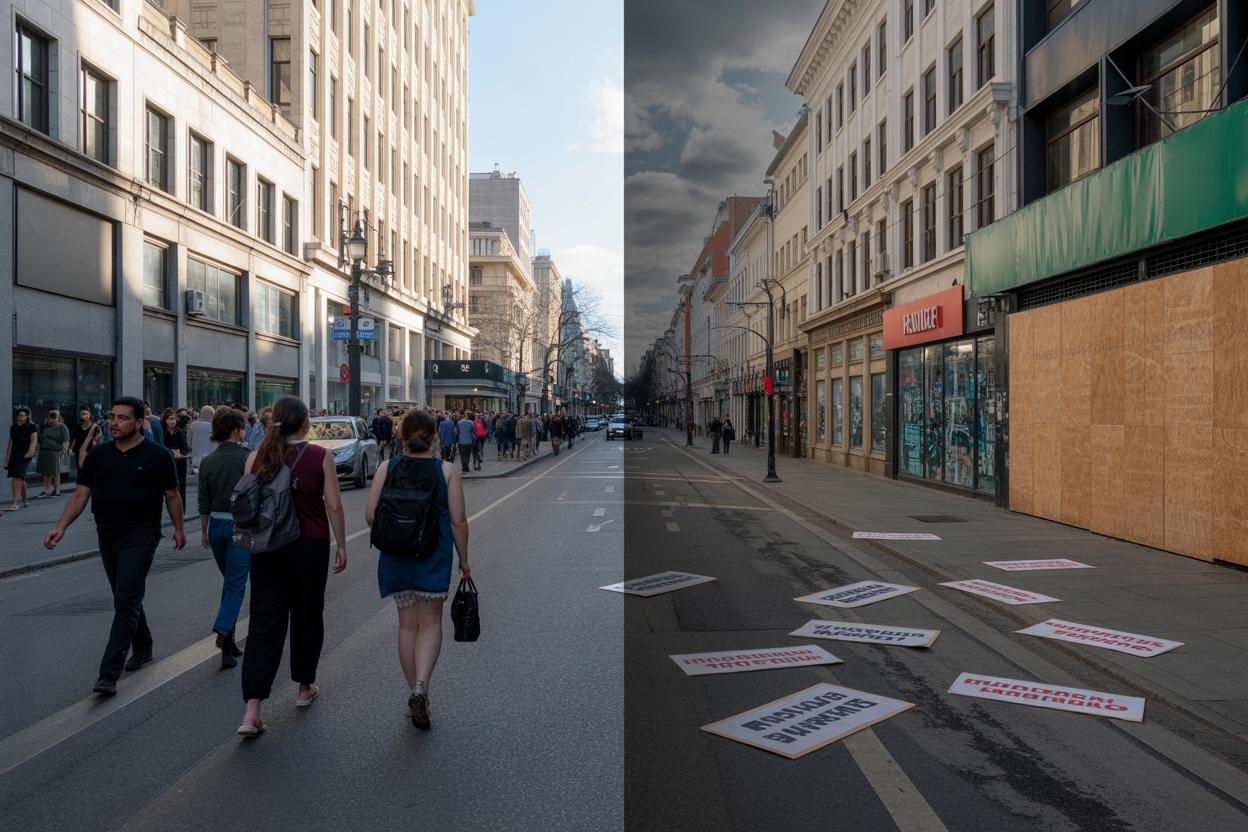
When societies split into warring camps that can’t find common ground, civil war warning signs start flashing red. Modern civil war warning signs become obvious when political parties or groups stop seeing opponents as legitimate and start viewing them as existential threats. This breakdown happens faster than most people expect.
Look at countries where elections get contested not through courts but through violence. When losing political parties refuse to accept results and their supporters take to the streets with weapons, that’s a clear indicator of dangerous polarization. Social media amplifies these divisions, creating echo chambers where people only hear information that confirms their existing beliefs.
Political leaders who use dehumanizing language about their opponents accelerate this process. Words like “traitors,” “enemies of the people,” or “terrorists” signal that normal political competition has morphed into something much more dangerous. When politicians start calling for their supporters to “fight” or “take back” their country through force, violence often follows.
The breakdown of shared institutions marks another critical threshold. When people lose faith in courts, elections, police, and media all at once, they start looking for alternative ways to resolve conflicts. That’s when countries facing civil war begin to see armed groups forming as parallel power structures.
Economic Collapse Triggering Mass Unrest
Empty bellies and empty pockets create perfect conditions for internal conflict countries to explode into violence. Economic disasters don’t just make people hungry – they destroy the social contract between citizens and governments. When basic services disappear and people can’t feed their families, they become willing to support radical solutions.
Hyperinflation hits like a social earthquake. Savings vanish overnight, salaries become worthless, and middle-class families find themselves struggling for survival. Countries that experience rapid currency devaluation often see their political systems collapse shortly afterward. Venezuela’s economic meltdown preceded its current crisis by just a few years.
Unemployment among young people creates especially volatile conditions. Nations brink of collapse almost always have massive youth unemployment rates. Young men with no economic prospects and no hope for the future become easy recruits for extremist groups promising change through violence.
Resource scarcity amplifies existing tensions between different groups. When water becomes scarce or food prices skyrocket, ethnic or religious minorities often get blamed for the problems. Competition for dwindling resources can quickly turn violent, especially when governments lack the capacity to provide basic security.
Ethnic and Religious Tensions Escalating into Violence
Deep-seated ethnic and religious divisions don’t automatically lead to civil war, but they create fault lines that opportunistic leaders can exploit during crises. State collapse indicators often include the weaponization of identity politics by desperate politicians trying to maintain power.
Segregation patterns reveal how dangerous these tensions have become. When different groups stop living together, working together, or marrying across ethnic lines, societies become primed for conflict. Physical separation makes it easier for each group to develop stereotypes and fears about the others.
Historical grievances get weaponized during unstable times. Politicians dig up old wounds and present them as current threats. Stories about past injustices become rallying cries for present-day violence. Bosnia’s civil war started this way – leaders used centuries-old grievances to justify modern ethnic cleansing.
Religious extremism thrives in failing states where normal institutions can’t provide security or justice. When courts don’t work and police are corrupt, people turn to religious leaders and militias for protection. These groups often impose their own version of law and order, which excludes or persecutes other religious communities.
Military Splits and Coup Attempts
Nothing signals approaching civil war quite like cracks in the military command structure. Armed forces exist to protect the state from external threats, but when they start fighting each other, the state itself becomes the battleground. Political instability worldwide often begins with military officers choosing sides in political conflicts.
Successful coups don’t always prevent civil wars – sometimes they trigger them. When military leaders overthrow civilian governments, they create legitimacy crises that opposition groups can exploit. Failed coup attempts are even more dangerous because they reveal deep divisions within the security forces while leaving the political system damaged but not resolved.
Regional commanders who stop following orders from the capital signal that central authority is breaking down. This pattern appears repeatedly in countries on the verge of collapse. Local military units start taking orders from regional politicians or ethnic leaders instead of national commanders. Syria’s civil war began this way when military units defected to join opposition forces.
International military support can either stabilize or destabilize volatile situations. When foreign powers start arming different factions within a country’s military, civil war becomes almost inevitable. Libya’s current chaos stems partly from different international actors supporting competing military forces within the same country.
Middle Eastern Nations Facing Internal Collapse
Syria’s Ongoing Fragmentation and Proxy Warfare
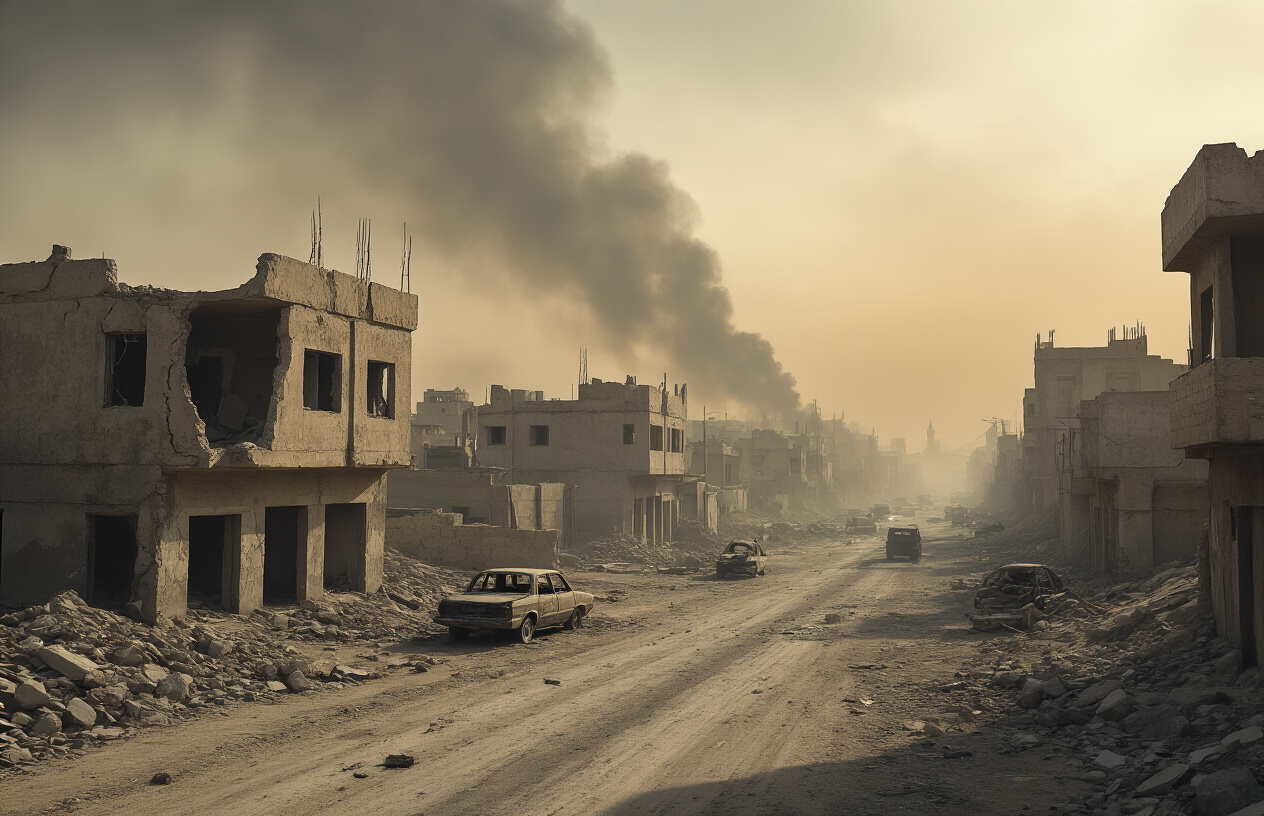
Syria remains one of the most complex examples of countries civil war 2024 continues to monitor. The nation has been torn apart for over a decade, with multiple factions controlling different territories across the country. The Assad government maintains control over major cities like Damascus and Aleppo, but large swaths of the country remain under the influence of various rebel groups, Kurdish forces, and foreign powers.
What makes Syria’s situation particularly dangerous is the web of proxy warfare involving regional and global powers. Russia and Iran back the Assad regime, while Turkey supports certain rebel factions and maintains a significant military presence in northern Syria. The United States continues to support Kurdish forces in the northeast, creating a powder keg of competing interests.
The state collapse indicators are everywhere: over 500,000 people have died, millions remain displaced, and the economy has collapsed by more than 80% since 2010. Basic infrastructure like hospitals, schools, and power grids lie in ruins across much of the country. Different regions now function under entirely separate legal and administrative systems, making national reunification increasingly unlikely.
Yemen’s Devastating Humanitarian Crisis and Tribal Conflicts
Yemen presents one of the world’s most severe cases of nations brink of collapse, with the Saudi-led coalition fighting Iranian-backed Houthis since 2015. This conflict has created the world’s worst humanitarian disaster, with over 24 million people needing assistance and hundreds of thousands facing famine.
The tribal dimension adds another layer of complexity to Yemen’s crisis. Traditional tribal structures, which once provided stability, have been weaponized by various factions. Different tribes have aligned with either the internationally recognized government, the Houthis, or local militias, creating a fragmented landscape where loyalties shift based on immediate survival needs rather than political ideology.
The country’s political instability worldwide ranking reflects the complete breakdown of state institutions. The central bank has split into competing entities, the military has fractured along regional and tribal lines, and local governance varies dramatically from one area to another. Oil and gas infrastructure, once the backbone of Yemen’s economy, has been repeatedly targeted, leaving millions without basic services.
Lebanon’s Economic Meltdown and Sectarian Divisions
Lebanon’s crisis represents a different but equally dangerous path toward internal conflict countries face when economic collapse meets deep sectarian divisions. The Lebanese pound has lost over 90% of its value since 2019, banks have frozen most accounts, and basic services like electricity and water operate sporadically at best.
The sectarian power-sharing system that once maintained fragile stability has become a source of paralysis. Political leaders from different religious communities blame each other for the crisis while protecting their own interests. Hezbollah’s growing influence and arsenal of weapons creates a state-within-a-state dynamic that challenges Lebanon’s sovereignty and increases the risk of violent unrest nations experience when armed groups operate independently.
Recent incidents show how quickly tensions can escalate. Clashes between different communities over resources, protests turning violent when they target specific sectarian areas, and increasing emigration of educated professionals all point to a country struggling to maintain basic social cohesion. The influx of Syrian refugees has added additional strain to an already overwhelmed system, creating competition for scarce jobs and services that often falls along sectarian and ethnic lines.
African Countries Experiencing Violent Instability
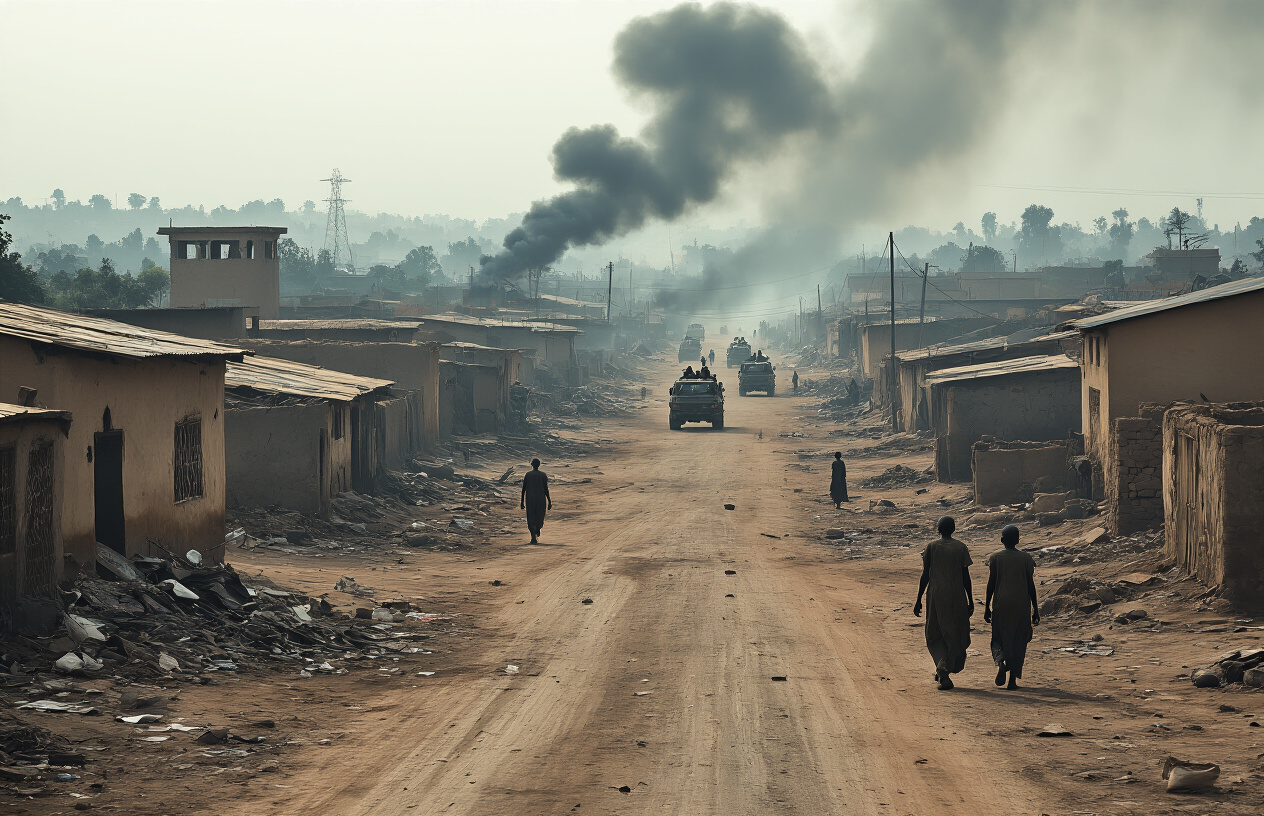
Ethiopia’s ethnic warfare and regional separatism
Ethiopia sits on a powder keg of ethnic tensions that exploded into devastating conflict in 2020. The war in Tigray region claimed hundreds of thousands of lives and displaced millions before a peace agreement in late 2022. Yet this fragile ceasefire barely masks deeper fractures threatening to tear the country apart.
The Oromo Liberation Army continues armed resistance against federal forces, while ethnic violence between different groups erupts regularly across multiple regions. Prime Minister Abiy Ahmed’s attempts at political reform have unleashed long-suppressed grievances among Ethiopia’s 80+ ethnic groups. Regional governments in Amhara and Oromia regions increasingly challenge federal authority, creating a dangerous power vacuum.
Mass displacement affects over 4 million people internally, while humanitarian access remains severely restricted in conflict zones. The economy teeters on collapse as international donors withdraw support and foreign investment flees. These countries facing civil war dynamics place Ethiopia among the most vulnerable nations brink of collapse globally.
Mali’s jihadist insurgency and military coups
Mali exemplifies how modern civil war warning signs can rapidly spiral into state failure. Two military coups in 2020 and 2021 shattered democratic governance, while jihadist groups expanded their territorial control across northern and central regions. The withdrawal of French forces in 2022 created a security vacuum that armed groups quickly filled.
Al-Qaeda and Islamic State affiliates now operate freely across vast swathes of Malian territory, imposing brutal rule on local populations. The military junta struggles to maintain control beyond the capital Bamako, while regional and international isolation deepens. Economic sanctions have crippled government finances, making it nearly impossible to fund security operations or basic services.
Ethnic militia groups have proliferated as communities arm themselves for protection. The humanitarian crisis affects over 8 million people, with mass displacement and food insecurity reaching critical levels. Mali’s disintegration threatens regional stability as violence spills across borders into Burkina Faso and Niger.
Central African Republic’s religious and ethnic violence
The Central African Republic remains trapped in a cycle of violent unrest between Christian and Muslim communities that has raged since 2013. Despite international peacekeeping efforts, armed groups control roughly two-thirds of the country’s territory, making it one of the world’s most dangerous places.
The Coalition of Patriots for Change, an alliance of rebel groups, launched a major offensive in 2020 that brought them to the capital’s doorstep. Russian Wagner mercenaries now prop up the government, while 14,000 UN peacekeepers struggle to maintain even basic security. Civilians bear the brunt of this internal conflict, with widespread sexual violence, child soldier recruitment, and targeted killings along religious lines.
Economic collapse has made the state non-functional outside Bangui. Mining revenues fuel continued warfare as armed groups fight over diamond and gold deposits. Nearly 1.5 million people remain displaced, while humanitarian workers face constant attacks. The country’s fragmentation into competing fiefdoms shows classic state collapse indicators.
Democratic Republic of Congo’s mineral conflicts and militia wars
Eastern DRC represents one of the world’s most complex conflict zones, where over 120 armed groups fight for control of lucrative mineral deposits. The M23 rebel movement’s resurgence in 2022 reignited large-scale warfare, displacing over 1.7 million people in North Kivu province alone. Rwanda’s alleged backing of M23 has created dangerous regional tensions that could spark wider war.
Systematic sexual violence, mass killings, and forced recruitment of children characterize this internal conflict countries scenario. Armed groups profit from illegal mining of cobalt, coltan, and gold while terrorizing local communities. The Congolese army remains too weak and poorly equipped to establish meaningful control over vast eastern territories.
Ethnic tensions between different communities fuel additional layers of violence, as groups compete for land and resources. The humanitarian crisis affects over 27 million people – making it the world’s largest – yet receives insufficient international attention. The state’s inability to protect citizens or control its territory exemplifies critical political instability worldwide that could trigger complete collapse.
Latin American States Under Severe Internal Pressure
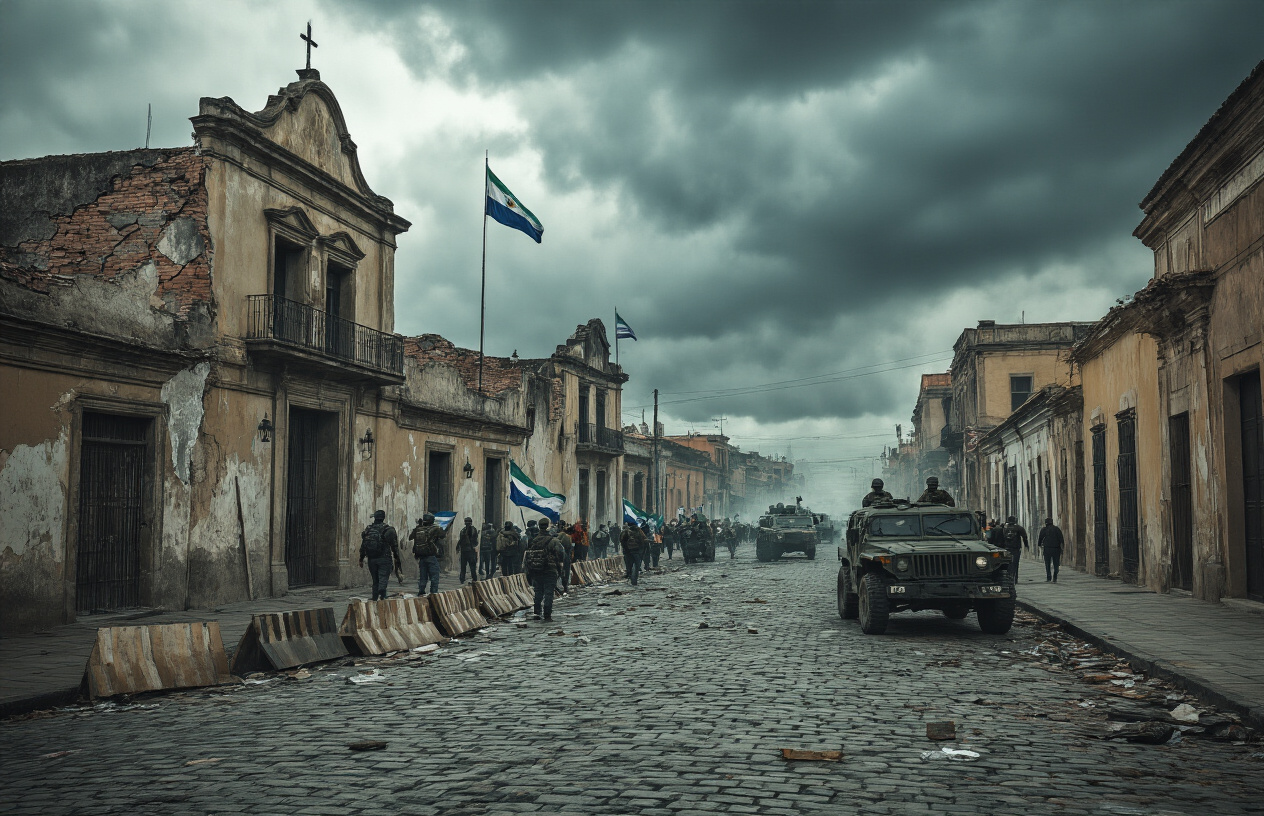
Venezuela’s Political Crisis and Mass Exodus
Venezuela stands as one of the most striking examples of countries civil war 2024 discussions, with its ongoing political instability worldwide reaching unprecedented levels. The nation’s democratic institutions have crumbled under President Nicolás Maduro’s authoritarian grip, creating a powder keg of social unrest and economic collapse.
The country’s hyperinflation has destroyed the middle class, with basic necessities becoming unaffordable for millions. Opposition leader Juan Guaidó’s attempts to challenge Maduro’s legitimacy sparked massive protests, but government crackdowns have grown increasingly violent. Security forces routinely use tear gas, rubber bullets, and live ammunition against demonstrators.
Over 7 million Venezuelans have fled their homeland – the largest refugee crisis in the Western Hemisphere. This mass exodus weakens the country’s social fabric while creating regional tensions as neighboring nations struggle to accommodate refugees. The military remains split between loyalty to Maduro and growing dissent among lower ranks.
Modern civil war warning signs are clearly visible: armed groups control territories, government forces clash with civilians, and foreign powers back different factions. Russia and Cuba support Maduro while the US recognizes the opposition. Essential services like electricity and water fail regularly, creating humanitarian emergencies that fuel anger against the government.
Haiti’s Gang Warfare and Governmental Collapse
Haiti’s descent into chaos represents one of the clearest examples of state collapse indicators in the Americas. Gang violence has transformed Port-au-Prince into a war zone where criminal organizations control roughly 60% of the capital city.
The G9 gang federation, led by former police officer Jimmy “Barbecue” Chérizier, operates like a shadow government. These gangs collect taxes, control ports, and kidnap hundreds of people monthly for ransom. Police forces are outgunned and outnumbered, with many officers fleeing the country or joining criminal organizations.
Political assassination became commonplace after President Jovenel Moïse’s murder in 2021. The resulting power vacuum allowed gangs to expand their influence while international efforts to restore order have failed. Recent attempts to deploy international forces face resistance from both gangs and local politicians.
Daily life has become impossible for ordinary Haitians. Schools close regularly due to violence, hospitals lack basic supplies, and food insecurity affects half the population. The economy operates primarily through informal networks controlled by criminal groups.
Internal conflict countries rarely show such complete governmental breakdown. Haiti’s police force has lost control of entire neighborhoods, creating autonomous zones where gangs impose their own rules. International observers warn that without immediate intervention, Haiti could become a failed state, making it a textbook case of nations brink of collapse.
Colombia’s Drug Cartel Violence and Rural Insurgency
Colombia faces a complex web of violent unrest nations dynamics that threaten to reignite full-scale civil war. Despite the 2016 peace agreement with FARC rebels, new armed groups have filled the power vacuum in remote territories, creating ongoing instability.
Drug trafficking organizations like the Gulf Clan and remnant FARC dissidents control vast rural areas where the state has little presence. These groups fight brutal turf wars while terrorizing local communities through forced recruitment, sexual violence, and mass displacement. Coca cultivation has reached record levels, funding these armed groups and corrupting local officials.
Social leaders and environmental activists face systematic assassination. Over 1,400 community leaders have been killed since the peace agreement, creating fear among those working for rural development and human rights. This violence particularly targets indigenous and Afro-Colombian communities.
The government struggles to implement the peace agreement’s rural development programs. Lack of roads, schools, and economic opportunities in former conflict zones allows illegal armed groups to recruit young people easily. Military operations against these groups often result in civilian casualties, eroding trust in state institutions.
Regional powers compete for influence in Colombia’s conflict zones. Venezuelan irregular forces cross the border regularly, while drug trafficking routes connect to international criminal networks. This internal divisions global pattern shows how local conflicts attract foreign interference, creating complex scenarios that resist simple solutions.
Urban violence has also escalated, with drug gangs controlling neighborhoods in cities like Medellín and Cali, creating countries facing civil war conditions in multiple regions simultaneously.
Asian Nations Struggling with Internal Divisions
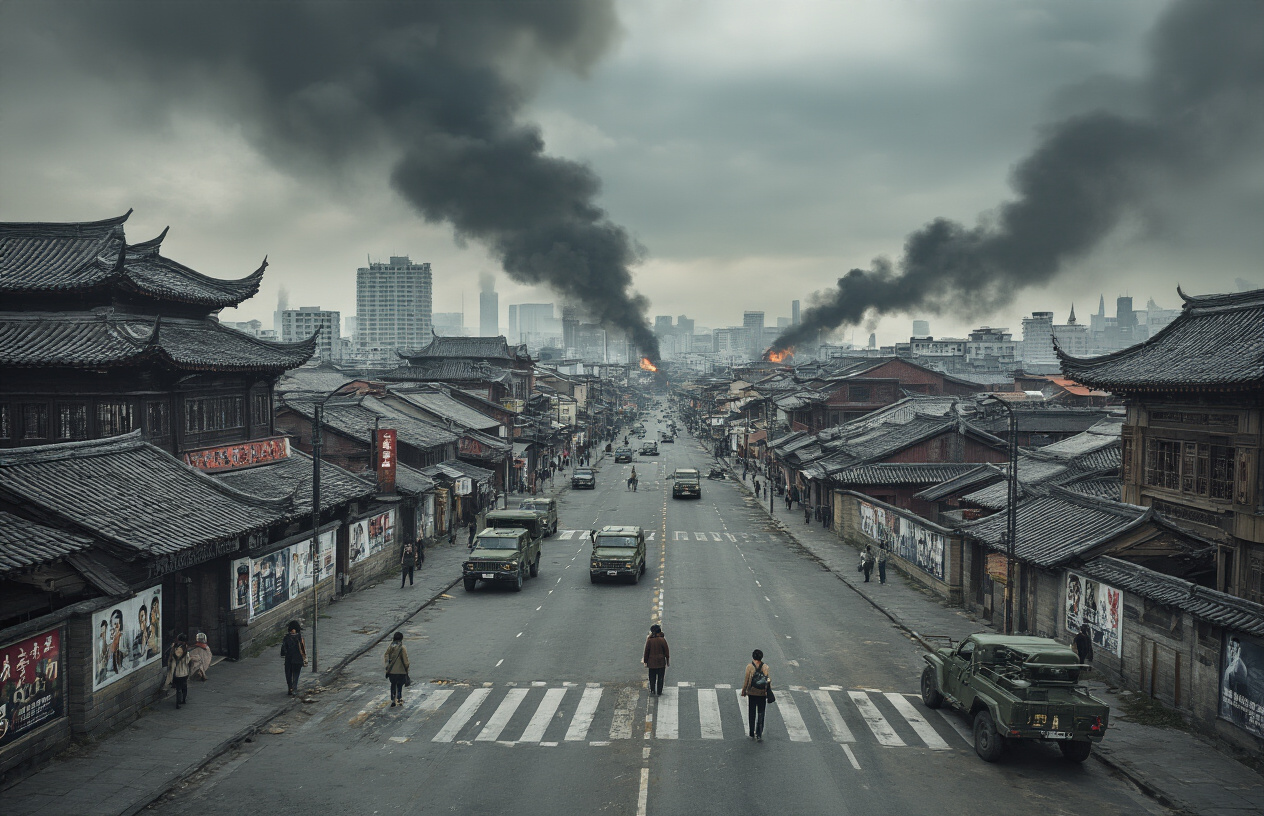
Myanmar stands as one of the most volatile countries civil war 2024 scenarios, with the military junta’s grip on power sparking nationwide resistance. The February 2021 coup that overthrew the civilian government triggered massive civil disobedience movements and armed resistance groups across the country. Pro-democracy forces have formed shadow governments and armed wings, creating multiple fronts of conflict that have left thousands dead and millions displaced.
The situation becomes even more complex with Myanmar’s ongoing ethnic cleansing campaigns, particularly against the Rohingya minority. The military’s systematic persecution has created refugee crises in neighboring Bangladesh, while other ethnic minorities like the Karen, Shan, and Kachin peoples face similar violence. These internal divisions global have created a perfect storm where pro-democracy fighters often find themselves allied with ethnic armed organizations that have been battling the central government for decades.
Recent reports indicate that resistance forces control significant rural territories, while the junta maintains power primarily in urban centers through brutal crackdowns. The economic collapse, international sanctions, and widespread civil unrest have created conditions that many experts recognize as modern civil war warning signs. With no clear resolution in sight and violence escalating monthly, Myanmar represents a textbook case of a nation descending into full-scale civil conflict.
Pakistan’s Economic Crisis and Political Instability
Pakistan’s multiple crises have created a dangerous cocktail of political instability worldwide that threatens to tear the country apart. The nation faces its worst economic meltdown in decades, with inflation soaring above 25%, currency devaluation, and widespread shortages of basic goods. This economic collapse has sparked violent protests across major cities, with different political factions blaming each other for the country’s dire situation.
The political landscape has become increasingly fractured since Imran Khan’s removal from power and subsequent arrest. His Pakistan Tehreek-e-Insaf (PTI) party has mobilized massive street protests, while the military establishment’s role in politics continues to create deep societal divisions. Regional separatist movements in Balochistan and Khyber Pakhtunkhwa have intensified their activities, taking advantage of the central government’s weakened state.
Religious extremism adds another dangerous layer to Pakistan’s instability. Taliban-affiliated groups have increased attacks following the Afghan Taliban’s takeover next door, while sectarian violence between Sunni and Shia communities has spiked. The combination of economic desperation, political polarization, ethnic tensions, and religious extremism creates multiple fault lines that could trigger widespread violent unrest nations scenarios. International observers worry that Pakistan’s nuclear arsenal makes any potential collapse particularly dangerous for global security.
Afghanistan’s Taliban Rule and Resistance Movements
Afghanistan’s situation under Taliban rule has created simmering conditions that could explode into renewed civil war. While the Taliban maintain military control over most territory, their harsh governance has sparked multiple resistance movements that operate both openly and underground. The National Resistance Front, led by Ahmad Massoud in the Panjshir Valley, continues guerrilla operations against Taliban forces, drawing support from ethnic Tajik and other minority communities.
Women’s rights activists have formed one of the most persistent opposition forces, staging regular protests despite facing arrest, torture, and public floggings. The Taliban’s ban on female education and employment has created unprecedented social tensions, with many families struggling to survive economically while watching their daughters and wives lose basic freedoms. These restrictions have generated deep resentment that fuels underground resistance networks across urban areas.
Economic collapse has made the situation even more unstable, with over 90% of Afghans facing food insecurity. The Taliban’s inability to provide basic services or economic opportunities has eroded their legitimacy, even among some of their former supporters. Regional ethnic tensions persist, particularly in areas populated by Hazaras, Tajiks, and Uzbeks who face systematic discrimination and violence from the predominantly Pashtun Taliban forces.
International isolation and sanctions have prevented humanitarian aid from reaching desperate populations, creating conditions where state collapse indicators become more apparent daily. The combination of armed resistance, social unrest, economic desperation, and ethnic tensions suggests Afghanistan remains one of the most fragile nations brink of collapse globally.
European Region Tensions Reaching Critical Points
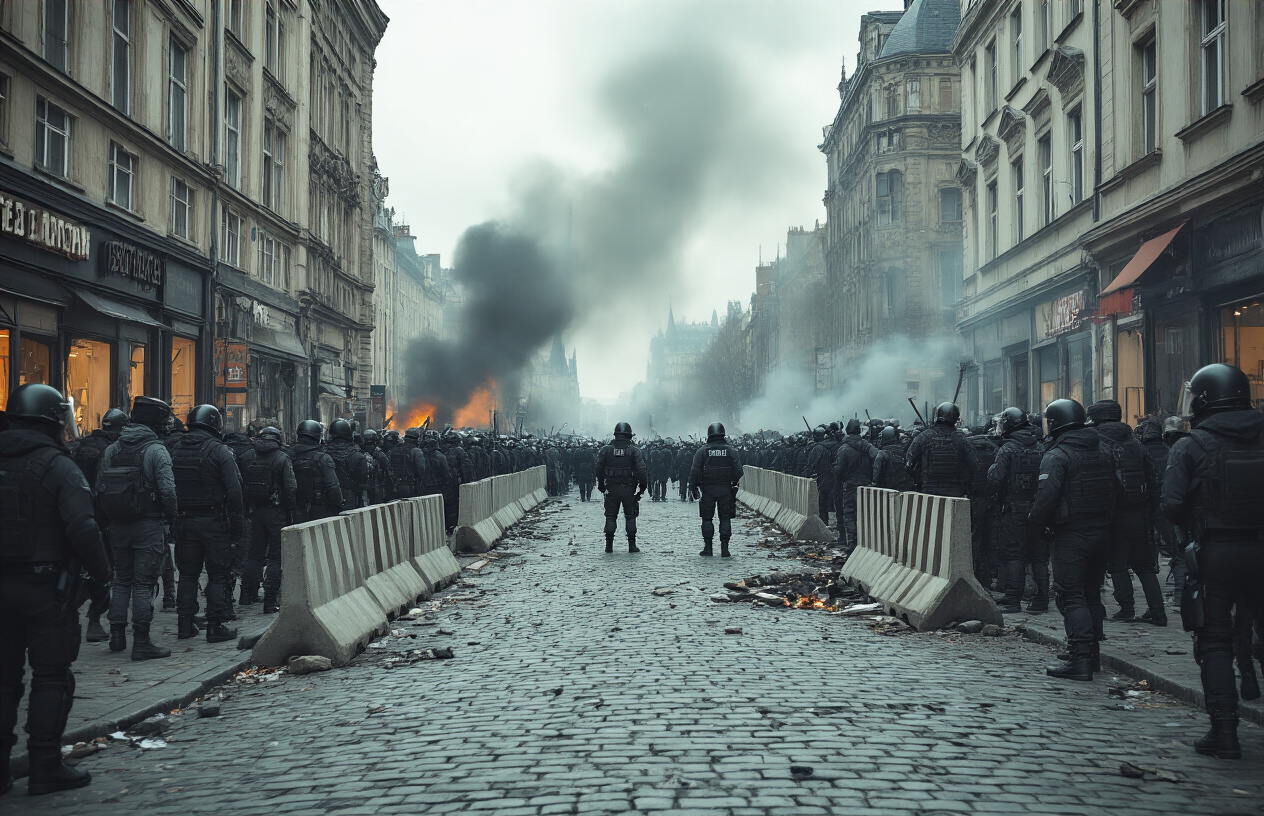
Ukraine’s Ongoing Territorial Conflicts and Russian Influence
Ukraine represents one of the most volatile situations among countries civil war 2024, though the nature of its conflict differs from traditional internal wars. The ongoing territorial disputes in eastern regions, combined with persistent Russian influence operations, create a perfect storm for political instability worldwide.
The Donbas region remains a flashpoint where pro-Russian separatist groups maintain control over significant territory. These areas operate as de facto independent states, complete with their own military forces, governance structures, and economic systems tied to Moscow rather than Kyiv. This fragmentation creates multiple centers of power within Ukraine’s internationally recognized borders.
Russian influence extends far beyond military support for separatists. Moscow’s hybrid warfare tactics include:
Information warfare campaigns targeting Ukrainian national identity
Economic pressure through energy dependence and trade restrictions
Political interference supporting pro-Russian candidates and parties
Cyber attacks on critical infrastructure and government systems
The situation displays classic state collapse indicators where central authority cannot effectively control all claimed territory. Ukraine’s military struggles to project power into separatist-held areas, while competing narratives about national identity divide the population. Russian-speaking populations in eastern regions often view Kyiv’s government as illegitimate, creating the ethnic and linguistic divisions that fuel internal conflict countries.
Recent mobilization efforts and martial law implementation demonstrate how external pressure can push nations toward internal divisions global. The conflict has militarized Ukrainian society, with various volunteer battalions and territorial defense units operating semi-independently from regular armed forces.
Bosnia and Herzegovina’s Ethnic Divisions Threatening Stability
Bosnia and Herzegovina exemplifies how unresolved ethnic tensions can place nations brink of collapse decades after initial conflicts end. The country’s complex constitutional structure, designed to prevent renewed warfare between Bosniaks, Serbs, and Croats, has instead created a dysfunctional state prone to violent unrest nations scenarios.
The Dayton Agreement’s power-sharing arrangement established two main entities: the Federation of Bosnia and Herzegovina (predominantly Bosniak and Croat) and Republika Srpska (predominantly Serb). This system requires consensus among ethnic groups for major decisions, often resulting in governmental paralysis that fuels frustration among all communities.
Milorad Dodik, president of Republika Srpska, regularly threatens secession and has taken concrete steps toward independence:
| Action | Impact on Stability |
|---|---|
| Establishing separate institutions | Undermines central authority |
| Rejecting federal court decisions | Creates parallel legal systems |
| Forming separate military units | Militarizes ethnic divisions |
| Blocking NATO integration | Perpetuates security vacuum |
Modern civil war warning signs appear throughout Bosnia’s political landscape. Ethnic parties dominate elections, often using inflammatory rhetoric that portrays other groups as existential threats. Young people increasingly identify primarily with their ethnic group rather than the Bosnian state, suggesting deepening divisions rather than reconciliation.
The European Union’s diminishing influence in the region creates space for other powers to exploit these tensions. Russia supports Serbian separatist ambitions, while Turkey backs Bosniak interests, turning local disputes into proxy conflicts. These external interventions mirror patterns seen in other countries facing civil war.
Economic stagnation compounds political tensions, as high unemployment and corruption fuel resentment that ethnic entrepreneurs exploit for political gain.
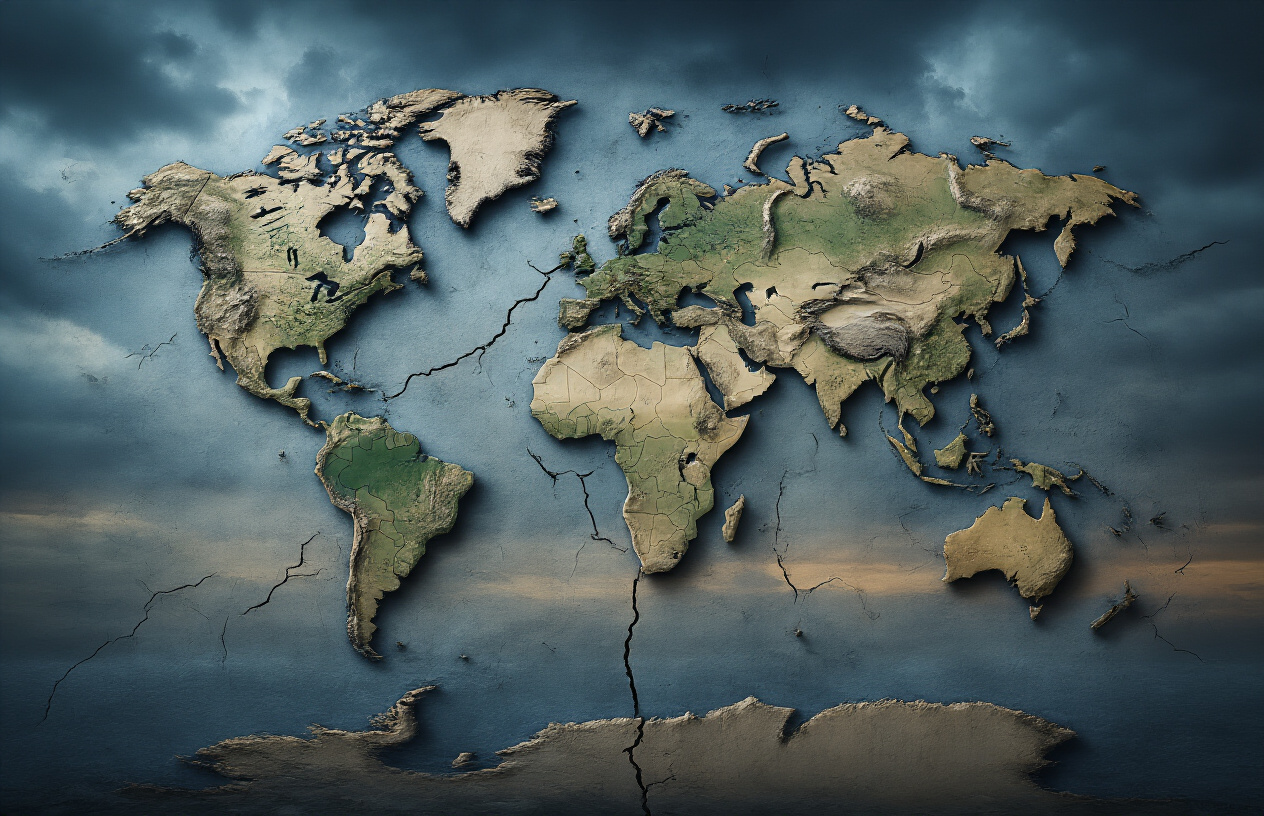
The world today faces unprecedented internal conflicts, with warning signs appearing across multiple continents. From the Middle East’s sectarian divisions to Africa’s resource-driven violence, from Latin America’s political upheavals to Asia’s ethnic tensions, and even Europe’s growing regional disputes, the patterns are unmistakable. These nations share common threads: weak institutions, economic desperation, and deep social fractures that create perfect storms for civil unrest.
Recognizing these warning signs early can make the difference between prevention and catastrophe. Stay informed about global developments, support international peacekeeping efforts, and understand that what happens in distant countries often affects us all through migration, economic disruption, and regional instability. The next few years will be critical for these twelve nations – and how the international community responds could determine whether conflicts escalate or find peaceful resolution.